
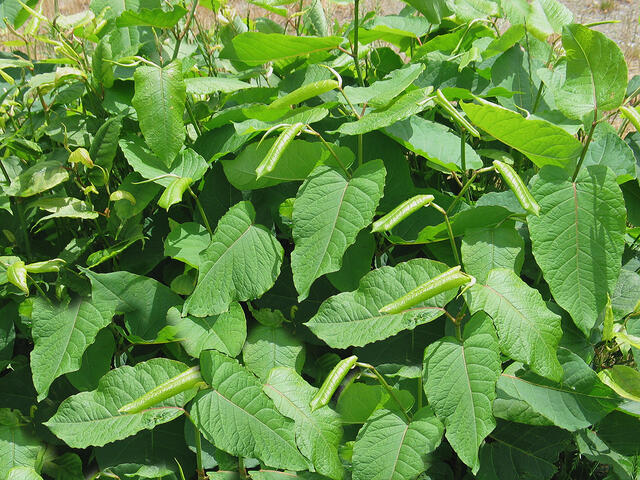
How to Identify Japanese Knotweed
Japanese Knotweed (Fallopia japonica) grows fast and can wreck your property if left alone. This troublemaker came from East Asia but now shows up all over North America and Europe, putting local plants and buildings at risk. It shoots up to 10 centimeters a day—that’s faster than grabbing a quick bite! Spotting it early or using smart tricks to deal with it really pays off, so checking out japanese knotweed removal Manchester has some clever solutions. Knowing how to fight this plant keeps your yard safe and saves money down the road. Stick around to discover tips that make beating Knotweed a whole lot easier than you imagine.
Identifying Japanese Knotweed is crucial for effective management and prevention of its spread. In this comprehensive guide, we will take you through a step-by-step process to help you recognize this invasive plant species on your property.
Step 1: Understanding Japanese Knotweed
Before diving into identification, it’s essential to familiarize yourself with the characteristics of Japanese Knotweed:
- Appearance: Japanese Knotweed typically grows between 3 to 9 feet tall, with hollow stems that resemble bamboo. Its leaves are broad, heart-shaped, and arranged alternately along the stem.
- Seasonal Changes: In spring, red or purple shoots emerge from the ground, which quickly grow into dense clusters of green leaves. During late summer and fall, creamy-white flowers bloom in small, tassel-like clusters.
- Habitat: Japanese Knotweed thrives in a variety of habitats, including roadsides, riverbanks, and disturbed areas. It can spread rapidly through underground rhizomes, forming dense thickets that crowd out native vegetation.
Step 2: Conducting a Site Survey
Once you understand the characteristics of Japanese Knotweed, the next step is to conduct a thorough survey of your property:
- Visual Inspection: Walk around your property, paying close attention to areas where Japanese Knotweed is likely to thrive, such as along fences, in neglected corners, or near water sources.
- Documentation: Take photographs and notes of any suspicious plants you encounter, noting their size, shape, and location. This information will be valuable for verification and management purposes.
Step 3: Confirming Identification
While visual inspection is a good starting point, it’s essential to confirm the identification of Japanese Knotweed using reliable sources:
- Consult Experts: Reach out to local extension offices, botanists, or invasive species specialists for assistance in confirming the identification of suspected Japanese Knotweed plants.
- Online Resources: Utilize reputable online resources and identification guides to compare the characteristics of the plants you’ve observed with confirmed samples of Japanese Knotweed.

Step 4: Reporting and Management
If you’ve confirmed the presence of Japanese Knotweed on your property, it’s crucial to take swift action to prevent its spread and minimize its impact:
- Reporting: Notify local authorities or relevant agencies about the presence of Japanese Knotweed on your property, as it may be subject to legal regulations regarding its control and management.
- Control Methods: Explore various control methods, including mechanical removal, herbicidal treatment, or professional excavation, depending on the size and severity of the infestation.
- Monitoring: Implement a monitoring program to regularly inspect your property for signs of regrowth or new infestations, ensuring prompt intervention to prevent further spread.
Conclusion
Identifying Japanese Knotweed on your property is the first step towards effective management and prevention of its spread. By understanding its characteristics, conducting thorough surveys, confirming identification, and implementing appropriate control measures, you can protect your property and surrounding ecosystems from the detrimental effects of this invasive plant species.
Remember, early detection and intervention are key to minimizing the impact of Japanese Knotweed and preserving the biodiversity of your environment.