
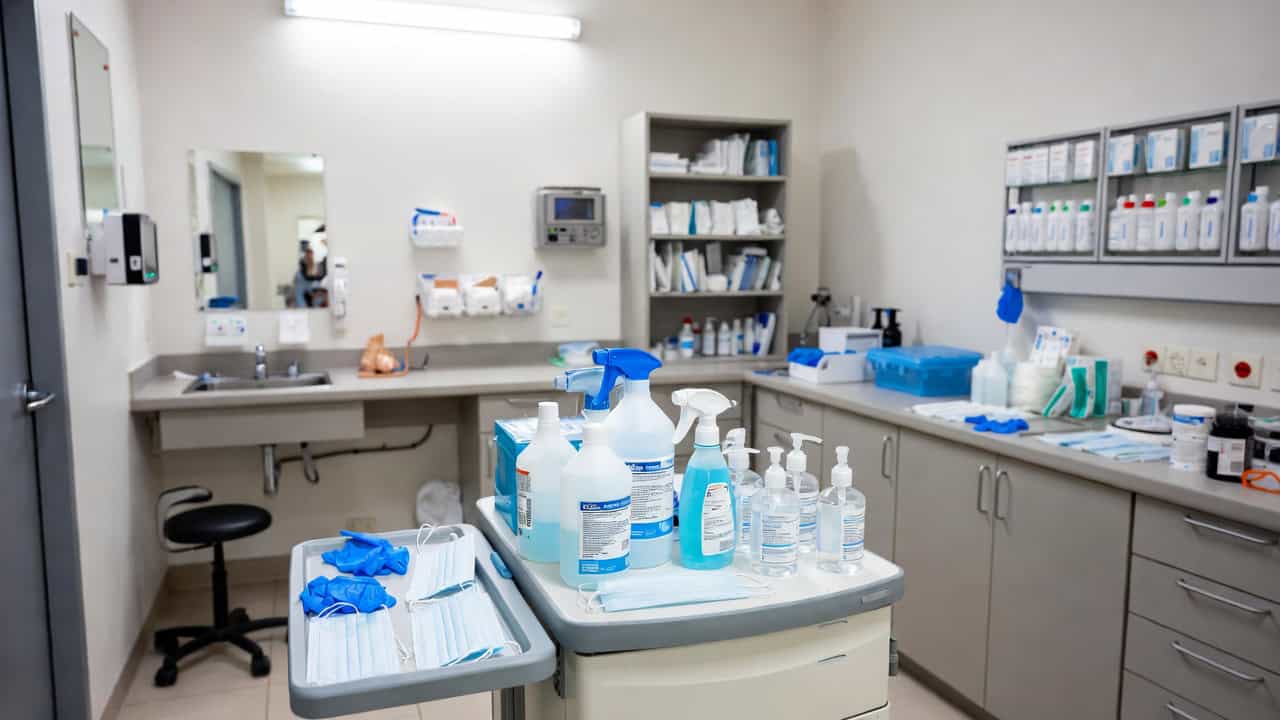
Scheduling Medical Cleaning After Hours
Scheduling medical cleaning after hours works well for clinics and medical offices that must keep their clinical operations going without stopping. Office managers often face the choice between cleaning during the day with staff and patients around or waiting until after hours when the place is empty. Real stories show how some choose wisely and get great results without disrupting work. This approach reveals smart steps and tips that save time and avoid chaos. Dive in to discover how to make cleaning fit smoothly into busy medical spaces and keep everything sparkling without a hitch.
Following a consistent plan for after hours cleaning reduces disruption, lowers infection risk, and preserves patient privacy. Below are practical insights on how to plan, what to include in contracts, and how to coordinate with cleaning teams so that your facility remains safe and compliant while operating on a tight schedule.
Why Scheduling Medical Cleaning After Hours Makes Sense for Clinics
After hours cleaning is attractive for many medical practices because it removes the need to stop patient services. When a space is cleaned after the building closes the work can proceed without moving equipment or asking staff to pause procedures. That can be especially helpful in high traffic clinics.
Other advantages include easier access to entire rooms, quieter conditions that let machines run without interruption, and a reduced chance of cross contamination while patients are present. For example a dermatology practice can have treatment rooms sanitized and restocked overnight so morning appointments begin on time.
Regulatory and Safety Considerations for After Hours Work
Medical spaces are subject to a mix of federal and state guidance covering infection control waste handling and worker safety. When setting up after hours work make certain the cleaning provider follows OSHA rules and CDC recommendations that apply to clinical environments. Verify their training certificates and ask about hazardous waste handling procedures.
- Confirm staff training for bloodborne pathogens and PPE use
- Check licensing for medical waste transport and disposal
- Review cleaning agents used for compatibility with surfaces and medical devices
Operational Steps to Make After Hours Cleaning Smooth
Successful scheduling rests on detailed operational planning. Start with a walk through of the space to define which areas are cleaned nightly which are deep cleaned weekly and which require special handling. Use a written checklist and time estimates so both the office manager and cleaning team know what to expect.
Access and Security Procedures
After hours work requires secure entry systems. Common solutions include temporary access cards keyed locks or supervised entry. Create a checklist for arrival and departure that documents who entered the facility at what time and what doors were used. That record helps with audits and builds trust with clinical staff.
Clinical Equipment Handling
Delicate diagnostic machines and sensitive electronics need clear protocols. Agree on which devices staff will unplug and which the cleaning team will clean around. For ultrasound machines and exam lights set safe distances for disinfectant sprays and use approved cleaning wipes. Label equipment with simple tags if a device must not be moved.
How to Communicate Schedules and Minimize Interruptions
Clear communication prevents missed appointments and confusion. Post a weekly cleaning roster in the staff break room and send calendar invitations to clinicians. If after hours cleaning includes deep tasks that may emit odors or require ventilation plan those tasks when no staff will sleep on site or be affected.
- Share nightly cleaning windows as fixed blocks
- Provide phone contacts for the cleaning crew lead
- Set quick checkup times in the morning to confirm completion
Cost Factors and Budgeting for After Hours Cleaning
Pricing can vary based on time of day level of disinfection required and any special waste removal. Expect a premium for late night slots in some regions. To control costs negotiate a monthly plan with defined hours and a clause for emergency calls. Request itemized invoices that show labor supplies and disposal charges.
Example pricing scenarios help with budgeting. A small private practice with two exam rooms might pay less when adopting a consistent nightly plan. A larger urgent care with many treatment bays may contract multiple crews to cover the square footage without causing overwork or missed tasks.
Choosing the Right Cleaning Scope for After Hours Visits
Not every after hours visit needs the same scope of work. Break tasks into levels so you can tailor visits for routine nights and separate slots for quarterly deep work. Below are common categories that make planning simple.
- General surface disinfection and trash removal
- High touch point sanitizing for waiting areas and patient rooms
- Deep cleaning for floors vents and hard to reach places
- Biohazard pick up and certified handling on dedicated runs
Sample plan for a small clinic could assign level one to be done nightly level two weekly and level three monthly. That cadence keeps the clinic tidy and avoids surprises during visits.
Technology and Tools That Help After Hours Cleaning Teams
Simple tools improve reliability. Use checklists on a mobile device that time stamp completion. If your building allows integrate access logs with building security to show exactly when a crew arrived and left. For infection control choose disinfectants with clear kill claims for the pathogens you are most concerned about.
Checklists and Documentation
Digital checklists reduce errors and create a record for billing and audits. A checklist entry can capture tasks completed photos and staff initials. That record is valuable if questions arise about a particular cleaning event.
Choosing Effective Disinfectants
Match the disinfectant to the pathogens relevant to clinical work. Read labels for contact times and compatible surfaces. For instance some bleach formulations are great for hard non porous surfaces but may not be recommended for delicate electronics. When in doubt ask the cleaning team to confirm the product label and recommended application method.
Handling Emergency Cleanings After Hours
Clinical settings sometimes need rapid response cleaning. Plan ahead by adding a clause to your contract that defines what counts as an emergency the expected response window and any extra fees. Examples include post procedure spills or an exposure incident that requires immediate decontamination.
Set a single phone contact for emergency calls and run tests at least twice a year to confirm response times. Running a mock event helps staff and contractors work through the steps without pressure.
Real Life Example from Orlando Practices
In Orlando several mid sized clinics have moved routine sanitizing to overnight windows. One family medicine office arranged for cleaning between 10 PM and 2 AM on weekdays and requested a small morning check by staff to restock supplies. That schedule kept the waiting room presentable for early patients while reducing daytime noise.
If you operate in the Orlando area and want a local partner that understands clinical cleaning windows you might choose to visit us to learn specifics about scheduling options and sample contracts.
Another outpatient lab used weekend deep cleaning slots to work on vents and floor stripping. That approach prevented odor concerns on busy weekdays and limited disruption to patient flow. Both examples show how planning and clear task separation reduce friction.
Checklist for Setting Up After Hours Service
- Identify rooms and tasks for nightly weekly and monthly work
- Confirm worker training and certificates specifically for medical settings
- Agree access procedures and emergency contact points
- Document product lists contact times and equipment handling rules
- Set up digital checklists and reporting formats
- Arrange trial nights before signing a long term agreement
Running a short pilot helps reveal unanticipated issues such as parking access or HVAC interference. Use the pilot to revise arrival times and refine the checklist before committing to a full schedule.
Scheduling Medical Cleaning After Hours is a practical option that supports continuity of care and improved patient experience. The key to success lies in clear roles well written agreements and careful attention to safety protocols. When you layer good communication and documented procedures you get predictable outcomes and a clean safe facility ready for patients each morning.
Conclusion
Deciding to move cleaning to after hours can reduce daytime disruption protect patient privacy and give cleaning teams the access they need to do thorough work. Start by mapping the space setting a task cadence and confirming training and waste handling. Use digital checklists to track performance and set up a trial period to work out logistics. Review contracts for emergency response and clear pricing. With these steps your medical office can maintain a hygienic environment while keeping patient services running smoothly.
If you are ready to plan after hours cleaning for your clinic reach out to your local service to request a site visit ask for sample checklists and negotiate a pilot schedule. A short trial will reveal most operational questions and let you make an informed choice about ongoing scheduling. Take the next step and contact a qualified provider to align cleaning windows with your appointment flow and clinical needs.