
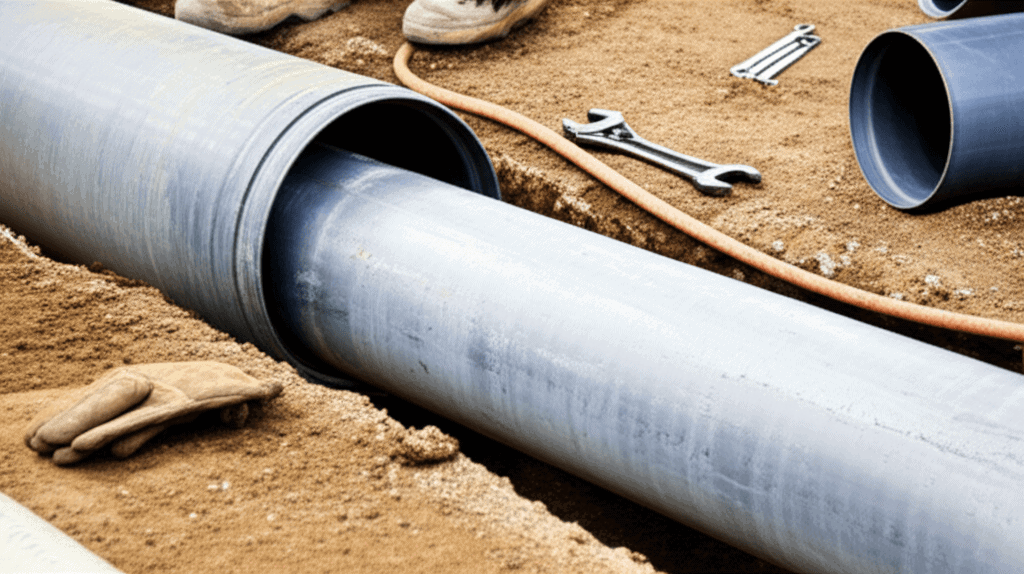
Repairing Commercial Sewer Lines
Commercial sewer lines act like hidden veins under business buildings. When they work right, no one notices them, but when they break down, trouble hits fast, costing owners, employees, and customers plenty. Knowing this early can save from stress and big repair bills before things get out of hand. Spotting warning signs keeps the flow steady and stops pricey disasters from ruining business days. This info is perfect for property managers, business owners, and anyone keeping commercial spots running. Keep reading to uncover the simple tricks that keep sewers clear and operations smooth.
This article explains how repairing commercial sewer lines works what causes failures the inspection and repair methods available and practical steps property managers can take to limit interruptions. Practical examples and budgeting tips are included to help you make informed choices when a problem appears.
Why repairing commercial sewer lines matters for property performance and safety
Sewer failures can stop operations fast. Backups cause lost revenue for businesses that rely on restroom facilities kitchens or manufacturing processes. Health and environmental hazards increase as raw sewage sits in drains or soaks into landscaping. Insurance claims can rise if a problem is not addressed quickly and correctly.
Beyond immediate losses there are long term issues. Corrosion roots and ground movement can shorten the service life of pipes. Repeated failures increase repair complexity and cost. For property owners the right repair at the right time reduces total lifetime expense and keeps tenants satisfied.
Common causes of commercial sewer line failure
Understanding root causes helps prioritize inspections and repairs. Several factors show up often in commercial systems.
- Tree root invasion Roots seek moisture and quickly infiltrate small cracks. Once inside they expand and restrict flow creating blockages and cracks that worsen over time.
- Grease and solids accumulation Restaurants and food service areas generate heavy grease. Unless grease traps and regular cleaning are scheduled grease builds up and narrows pipes dramatically.
- Corrosion and aging materials Older clay cast iron or clay tile pipes deteriorate after decades. Corrosion leads to holes and collapses particularly in aggressive soils.
- Ground settlement and construction damage Nearby construction traffic or excavation can shift joints or crush pipes. Settlement creates misalignment and pockets where solids collect.
- Improper disposal and foreign objects Industrial wastes construction debris or misplaced items can block lines. Some solids accelerate wear on joints and seals.
Signs to watch for and when to schedule inspection
Early detection keeps repairs smaller and less costly. Develop a checklist that maintenance staff use to flag potential problems.
- Slow drains across multiple fixtures
- Foul odors near sewer lines or outside vents
- Gurgling sounds in drains when large fixtures run
- Visible pooling or soggy soil near sewer runs
- Repeated clogs after cleaning
For many properties schedule a video inspection every two to five years depending on usage. High risk sites such as restaurants or manufacturing plants often need annual checks. If tenants report frequent problems make sure an inspection happens sooner rather than later.
Inspection methods explained
A clear diagnosis prevents unnecessary excavation and guides the repair plan. Below are the most common tools used during assessment.
Video camera inspection
High resolution cameras travel through the sewer and record footage. The camera operator notes joint separations corrosion root intrusion and spots where grease or silt have accumulated. Measurements can be taken and a replay examined to plan repairs. This method pinpoints problem locations to within a few feet so excavation is targeted when required.
Flow monitoring and smoke testing
Flow monitors track where blockages change water speed over time helping diagnose intermittent issues. Smoke testing sends non toxic smoke into the system to reveal leaks and faulty connections at roof vents or outside structures. These methods are especially useful in complex commercial campuses with multiple buildings and branch lines.
Repair options for commercial sewer lines
Repairs range from localized fixes to full line replacement. Choice depends on pipe material extent of damage site constraints and budget.
- Spot repairs When damage is small a short section can be cut out and replaced. This is common for small root incursions or a collapsed joint.
- Pipe lining A cured in place liner creates a new seamless pipe within the existing one. It seals cracks and prevents root growth without the need for long trenches. Lining works well for continuous runs with no major alignment changes.
- Pipe bursting This method replaces the pipe by fracturing the old one and pulling a new pipe into place. It allows upsizing the diameter without open trenching in many soil types.
- Full open cut replacement Required when the line is widely collapsed or when alignment must be corrected. This is more disruptive but may be the only long term solution for severely damaged sections.
Each approach has trade offs. For example pipe lining reduces surface restoration costs but may not correct severe offsets. Full replacement fixes alignment but increases restoration and downtime. Estimating how long each option lasts helps choose the right level of intervention.
Trenchless repair versus open cut replacement practical comparison
Trenchless approaches are common where surface disruption is costly or access is tight. Below are practical differences to consider when planning a project.
- Disruption Trenchless methods minimize surface work so parking lots roadways and landscaping remain usable. Open cut requires closure of the construction area until restoration is complete.
- Speed Small to medium repairs can often be completed faster with trenchless techniques because excavation and restoration time is reduced.
- Cost factors Trenchless work can be more cost effective when factoring in restoration and lost revenue. For severely misaligned or collapsed pipes the trenchless option may not be viable and open cut is the only choice.
- Longevity Properly installed liners and replacement pipes can last decades. Verify material warranties and expected service life when comparing bids.
Cost factors and budgeting for repairs
Budgeting for a repair requires looking beyond the headline installation price. Consider these cost drivers when reviewing estimates.
- Length and diameter of the pipe to be repaired
- Accessibility of the line and depth below grade
- Type of repair chosen trenchless materials and whether upsizing is needed
- Permitting and traffic control requirements
- Surface restoration for concrete asphalt or landscaped areas
- Emergency response when work is on short notice or at odd hours
As a rough guideline small spot repairs may be a few hundred to a few thousand dollars. Large commercial replacements especially under pavement can range into tens of thousands or more. Request itemized estimates and ask for alternatives that show short term versus long term costs to allow a clear comparison.
Choosing contractors and what questions to ask
Selecting the right team matters. Ask for references project photos and proof of insurance and licenses. The following questions help compare bids on an equal basis.
- What inspection methods will you use to locate and diagnose the problem
- Which repair options do you recommend and why
- What is the expected service life for the proposed solution
- Will you provide an itemized estimate and schedule for work and restoration
- How will you protect nearby operations and traffic during the work
For many property managers working with a local provider that specializes in commercial projects reduces coordination problems. For example local teams often know permitting times in the area and have established relationships with asphalt and concrete subcontractors which shortens overall schedule. If you want a readily available commercial option in Houston consider this provider Zoom Drain commercial sewer repair and replacement services for inspection and repair work.
Maintenance practices that prolong sewer line life
Regular preventive measures reduce emergency repairs. Implementing a few simple routines produces measurable benefits.
- Set a cleaning schedule based on use frequency. Restaurants often require quarterly cleaning while office buildings may need annual service.
- Install and maintain grease traps. Monitor trap performance and empty before traps become ineffective.
- Keep landscaping at a safe distance from sewer mains or use root barriers. If trees are present schedule inspections more often.
- Educate tenants and staff about what to avoid flushing or pouring into drains. Labels and onboarding for new tenants reduce accidental misuse.
- Maintain records of inspections and repairs. Trend data highlights areas that are degrading and can justify proactive replacement.
Example maintenance plan for a medium size commercial property
- Annual video inspection of main runs and branch lines
- Quarterly mechanical cleaning of high use areas
- Immediate inspection after any heavy construction activity nearby
- Keep a repair reserve fund equal to 1 to 3 percent of building value for major underground systems
Small steps can avoid large surprises. A well documented plan with clear responsibilities reduces response time when problems are found.
Repairing commercial sewer lines is part diagnosis part strategy and part execution. The right combination of inspection technology appropriate repair methods and routine maintenance keeps systems working and reduces total cost over time. If you are planning a repair start with a thorough video inspection get itemized bids and weigh short term cost against projected service life before choosing the method. For urgent needs or complex campuses bring in a team familiar with commercial constraints and ask for a clear schedule and traffic control plan.
Act now to prevent downtime. Schedule an inspection or request a bid and compare options side by side. Clear documentation and proactive service are the best ways to protect tenants operations and property value. Contact a qualified commercial sewer specialist today to get a plan that fits your site and budget.